Best overall for mixed pet messes: vinyl plank. Best for scratch-first households: laminate. Best for homeowners who want real wood: hardwood with a low-sheen finish. This 2026 guide compares the best scratch-resistant flooring for pets and explains how to choose flooring for an entire Arizona home, including stairs.
- Vinyl plank is the best scratch-resistant flooring for pets when spills and everyday cleaning matter alongside scratches.
- Laminate is the scratch-first choice; check the specific floor’s moisture restrictions before choosing it.
- Hardwood suits real-wood priorities, but claws, grit, and standing moisture require more care.
- Accent Home Improvements helps homeowners choose materials and plan whole-home flooring installation, including staircase flooring.
Why this matters
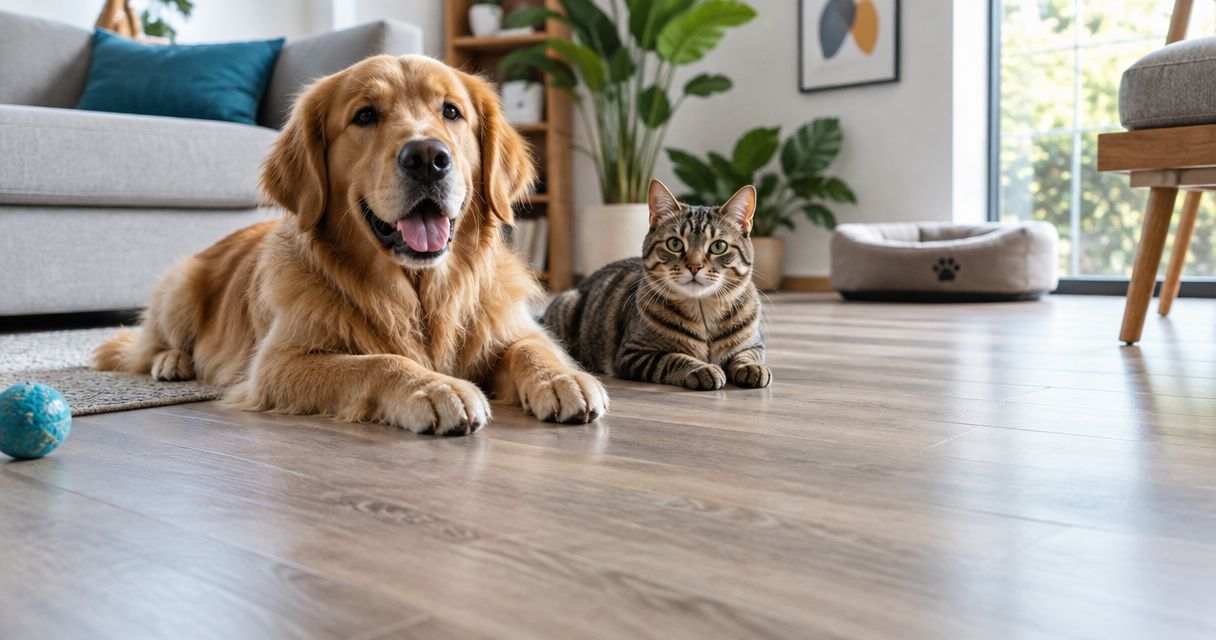
Pet-friendly flooring has to handle more than claws. Tracked-in grit, water bowls, accidents, and tight turns in hallways create different problems. A floor that handles surface wear but cannot tolerate your cleaning routine is the wrong match.
Accent Home Improvements is a flooring contractor for homeowners who want owner-handled material selection and whole-home installation planning. The owner handles the project personally, with careful workmanship and a tidy jobsite as priorities.
For homeowners planning a 2026 project in Surprise, Sun City, Peoria, Glendale, or Phoenix, the useful question is not which floor sounds toughest. It is which floor fits your pets, rooms, cleaning habits, and installation scope without creating a new problem elsewhere.
What makes the best scratch-resistant flooring for pets?
Use these criteria before comparing colors or choosing a material:
- Surface durability: Look for product-specific scratch and abrasion information. A material name alone does not establish performance.
- Moisture tolerance: Check how the complete flooring system handles spills, seams, edges, and pet accidents—not just the plank surface.
- Visible wear: Compare sheen, texture, color variation, and grain. These affect how noticeable scratches become.
- Pet footing: Evaluate the actual sample’s surface. A smooth finish and a textured finish do not feel alike underfoot.
- Repair options: Ask whether damaged boards can be replaced and whether the selected hardwood can be refinished.
- Whole-home fit: Include subfloor preparation, transitions, doors, stairs, and occupied rooms in the decision.
Separate scratch resistance from scratch visibility. A patterned floor can hide a mark without being harder to scratch. Conversely, a durable surface can make small marks obvious if it is glossy or visually uniform.
Pet-friendly flooring at a glance
These are material recommendations, not ratings for every product within each category. Confirm the selected floor’s documentation before ordering.
| Rank and material | Best for | Standout benefit | Key limitation |
|---|---|---|---|
| 1. Vinyl plank | Homes balancing pet messes with everyday wear | Moisture-tolerant options and straightforward surface cleaning | Grit and claws can still scratch the surface; damaged finishes are not sanded back |
| 2. Laminate | Households prioritizing surface scratch resistance | Wear-resistant surface with wood-look choices | Moisture protection varies; damaged boards cannot be refinished |
| 3. Hardwood | Homeowners who prioritize real wood | Natural grain and possible refinishing, depending on construction | Claws can mark the finish, and moisture needs prompt attention |
The default recommendation for 2026 is vinyl plank when accidents and water exposure are part of daily life. Choose laminate when surface wear is the main concern and its moisture requirements fit the rooms. Choose hardwood when you accept visible wear in exchange for real wood.
1. Vinyl plank: best pet flooring for mixed messes
Vinyl plank is the most balanced starting point when you need to manage both pet messes and everyday wear. Its wood-look surface does not require choosing real wood, and moisture-tolerant products give you options for rooms where spills are routine.
Do not treat a waterproof product description as permission to leave liquid on the floor. Liquid can reach edges, transitions, and the subfloor, and the installation instructions still control how the floor should be used.
Vinyl plank pros
- Moisture-tolerant choices suit households managing water bowls and pet accidents.
- Textured and varied wood-look designs give you ways to reduce the visibility of minor marks.
- The same material can support a coordinated look across several rooms, subject to installation requirements.
- Individual damaged planks can be replaceable, depending on the installation and access.
Vinyl plank cons
- Embedded grit and sharp claws can scratch the surface; vinyl is not scratchproof.
- The decorative surface cannot be sanded and refinished like suitable hardwood.
- Heavy furniture, floor flatness, and installation requirements need attention before the job starts.
For your 2026 shortlist, compare the actual finish and maintenance instructions rather than judging vinyl plank by thickness alone. Ask how a damaged plank would be replaced in the middle of an occupied room. That question makes repair planning practical rather than theoretical.
Best for: Homeowners who need one material to balance pet messes, cleaning, and everyday traffic.
Verdict: Buy vinyl plank when moisture tolerance matters as much as scratch resistance.
2. Laminate: best pet flooring for scratch-first households
Laminate uses a protective wear surface over a printed design and core. That construction makes it a strong candidate when your main concern is claws and surface abrasion rather than frequent liquid exposure.
The distinction between products matters. Do not assume every laminate has the same scratch performance or moisture protection, and do not read a water-resistant label as an unlimited guarantee against accidents.
Laminate pros
- Its wear surface makes laminate a useful category to compare for scratch-focused projects.
- Wood-look textures and patterns let you choose a finish that does not highlight every small mark.
- It offers a real-wood appearance without requiring a hardwood surface.
- Product documentation can help you compare wear performance and permitted cleaning methods.
Laminate cons
- Moisture that reaches vulnerable joints or edges can cause damage, depending on the product.
- A damaged surface cannot be sanded back and refinished.
- Footing and underfoot sound vary with the selected product, underlayment, and installation.
Bring your cleaning routine into the material discussion. A floor that requires careful moisture control is a poor fit if water regularly sits beside a bowl or accidents go unnoticed. Choose the product for how the household actually operates, not how you hope it will operate.
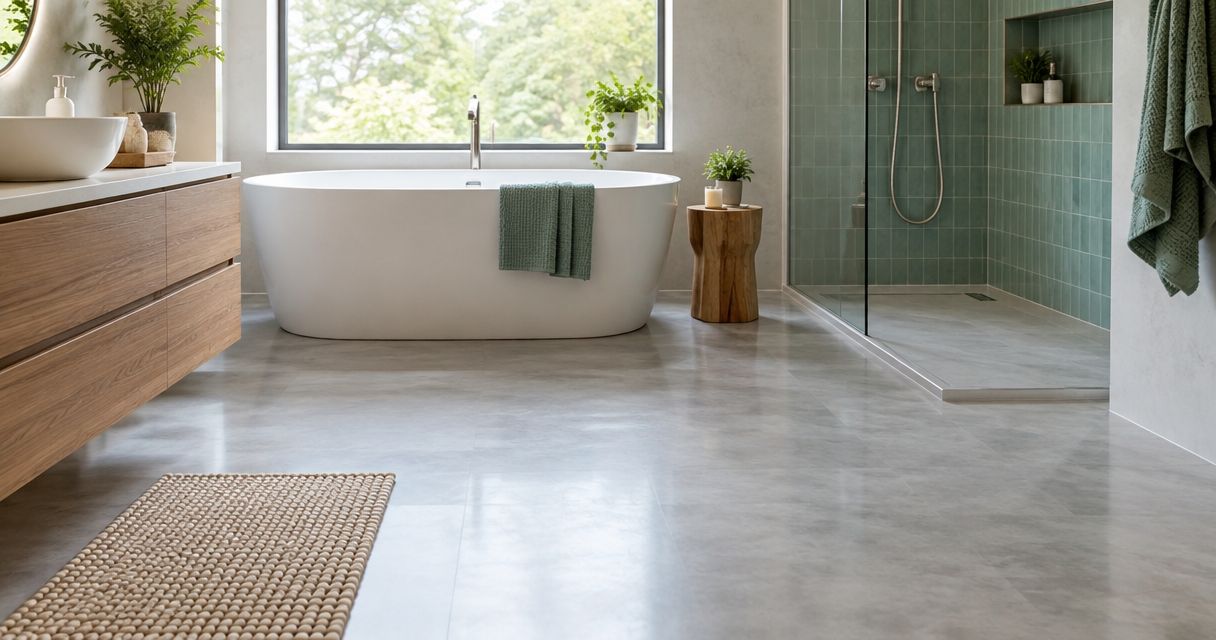
For a 2026 whole-home project, also check the laminate’s room restrictions. A strong choice for bedrooms and a hallway does not automatically become the right choice for a bathroom.
Best for: Households prioritizing scratch resistance and able to follow the selected product’s moisture requirements.
Verdict: Buy laminate when surface wear is the priority and moisture exposure is controlled.
3. Hardwood: best pet flooring for a real-wood finish
Hardwood gives you a genuine wood surface rather than a printed wood look. It belongs on the shortlist when that appearance matters enough to accept the possibility of scratches, dents, and finish wear.
Solid hardwood and engineered hardwood are not interchangeable. Engineered hardwood has a real-wood top layer over a layered base, and its refinishing options depend on the product’s construction and remaining wood surface.
Hardwood pros
- Natural grain and variation give each floor a real-wood appearance.
- Suitable hardwood can be refinished when its construction and condition allow it.
- Lower-sheen finishes and visually varied wood can make everyday marks less conspicuous.
- Hardwood can be considered alongside staircase flooring for a coordinated project.
Hardwood cons
- Pet claws can mark the finish, and impacts can dent the wood.
- Standing moisture and repeated accidents need prompt attention.
- Engineered hardwood is not automatically suitable for sanding and refinishing.
Ask about the selected wood, finish, care instructions, and repair options together. Hardness alone does not tell you how a finish will react to claws or how visible a scratch will be. A glossy, uniform appearance also leaves less visual distraction around a mark.
Accent Home Improvements installs hardwood, laminate, and vinyl flooring. For hardwood, make the pet discussion part of material selection—not a concern raised after installation.
Best for: Homeowners who prioritize real wood and accept the care and visible wear that come with it.
Verdict: Buy hardwood for its real-wood character; skip it if a nearly unmarked surface is non-negotiable.
Choose the finish your pets will actually live on
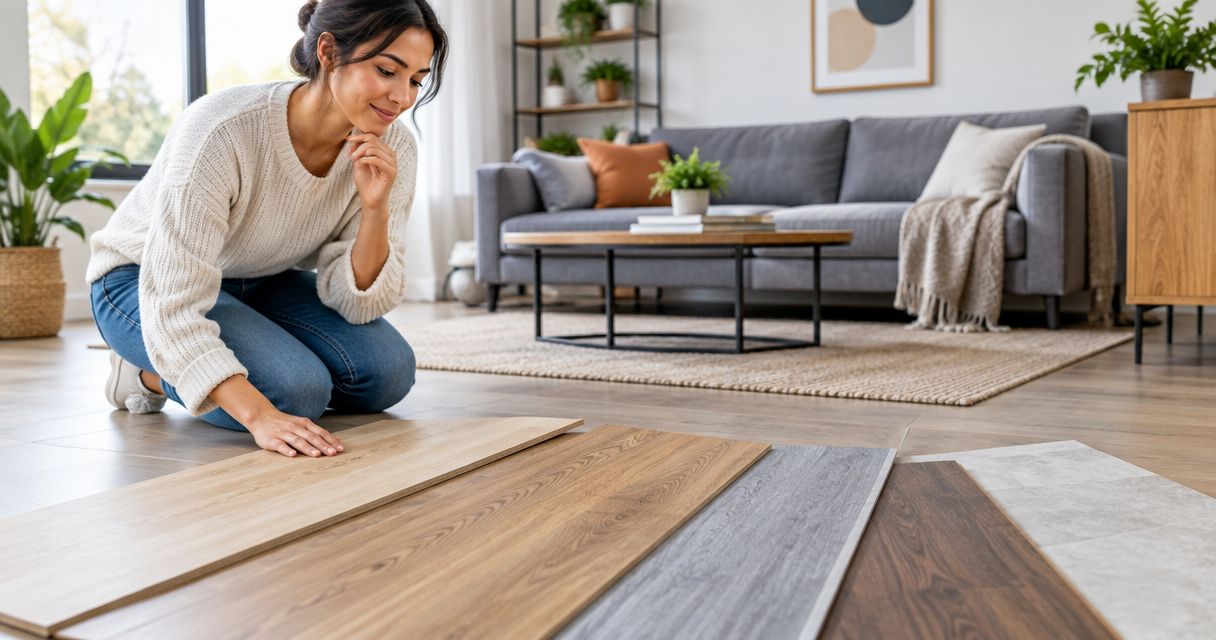
A sample board is more useful than a showroom label, but only if you examine the right details. View the sample in the rooms where it will go, under daylight and your usual evening lighting.
Use these finish checks:
- Low sheen: Check whether reflected light makes small surface marks stand out.
- Visible texture: Feel the sample and discuss footing, especially if your pet already struggles on smooth floors.
- Color variation: Compare how the pattern reveals dust, hair, and small marks.
- Cleaning instructions: Confirm which cleaning products and methods the manufacturer permits.
Do not deliberately scratch a showroom sample or assume a household scratch test predicts years of use. Ask for the manufacturer’s performance information and warranty exclusions instead.
In Arizona homes, discuss strong sunlight and room conditions as well. Manufacturer temperature and exposure requirements still apply, even when the product is marketed as suitable for busy households.
Plan the whole home, not just the living room
A whole-home flooring estimate needs to describe the job around the material. Otherwise, two estimates can look comparable while covering different work.
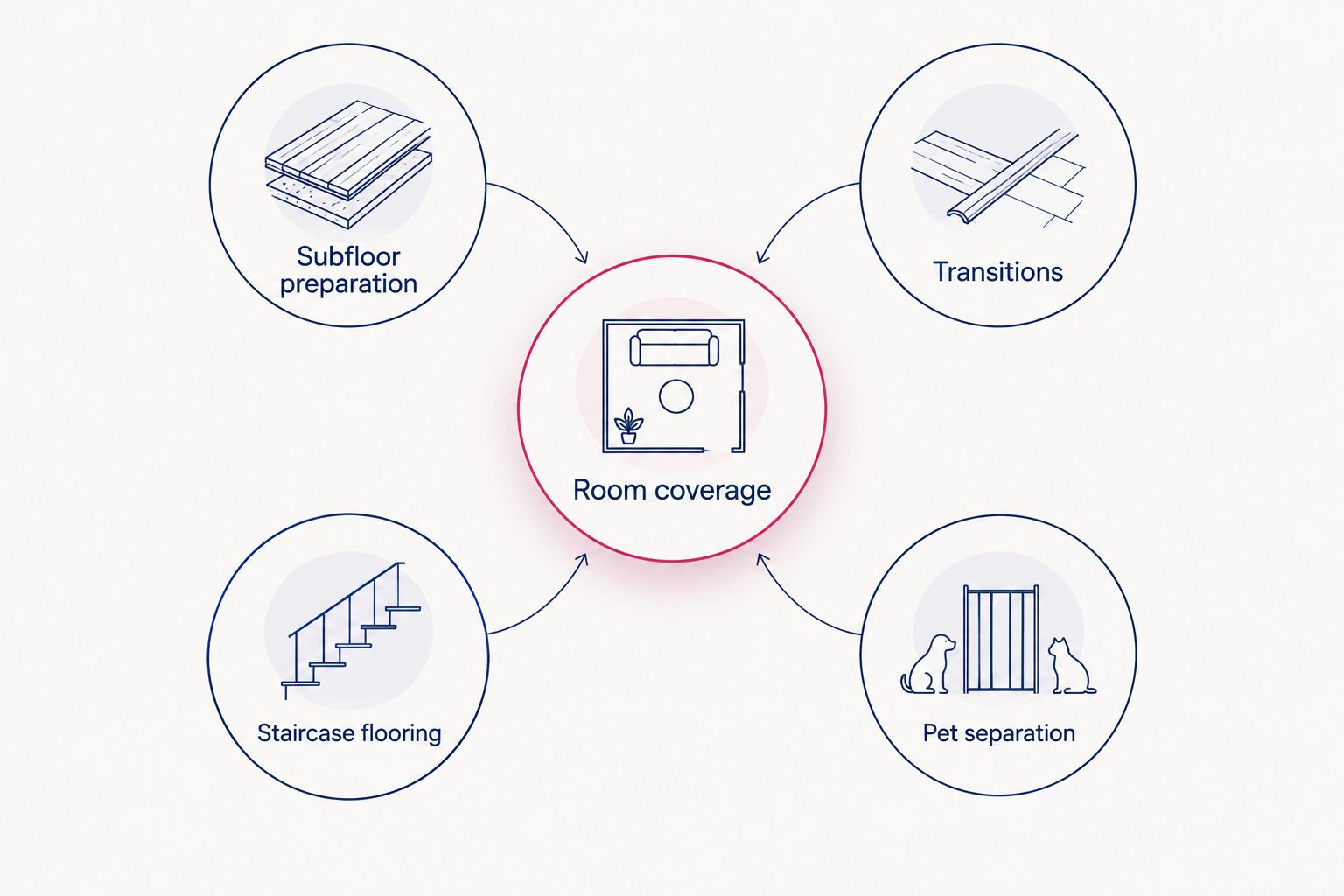
Use these scope categories when discussing your installation:
- Room coverage: Identify every included room and any areas keeping their existing floor.
- Subfloor preparation: Include removal, inspection, and the preparation needed for the selected flooring.
- Transitions: Discuss doorways, adjoining materials, thresholds, and changes in floor height.
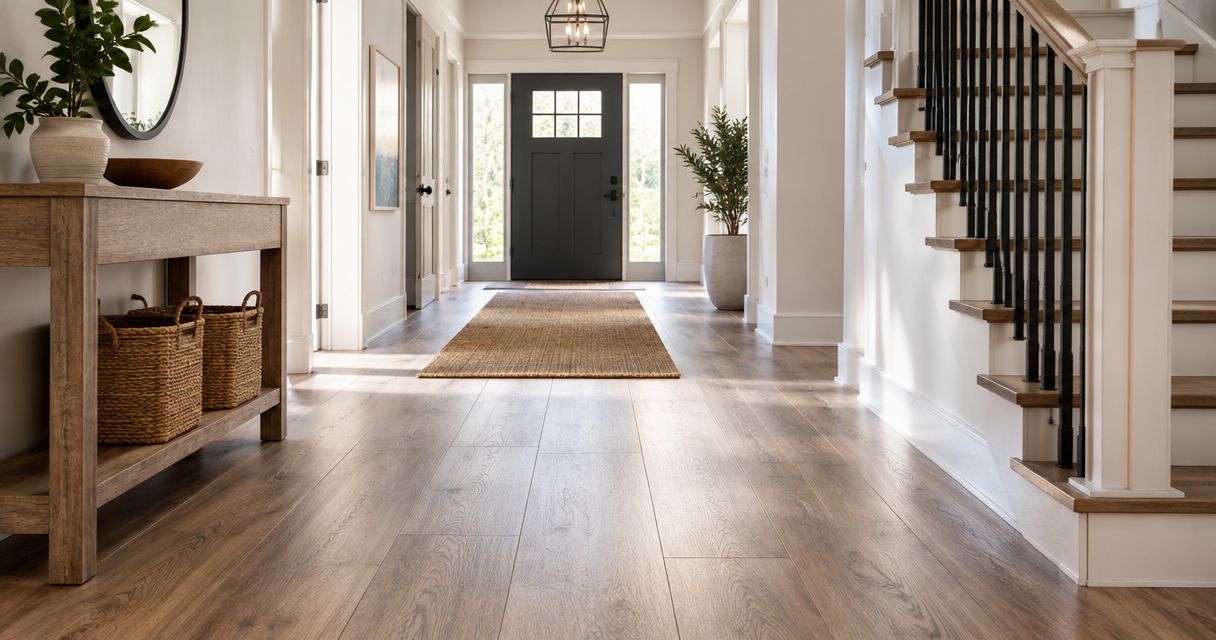
- Staircase flooring: Include treads, risers, nosings, and the connection to upstairs flooring.
- Pet separation: Plan where pets will stay while rooms are unavailable and installation work is underway.
Stairs deserve their own conversation. A plank chosen for a flat room does not establish how the staircase will be finished. Ask which matching or coordinating components are available for the selected material and how the installer will handle the edges.
Accent Home Improvements helps homeowners choose materials and plan the full job. Bring room photos, information about existing flooring, and a list of pet-related concerns to that discussion. Explain where accidents happen and which rooms take the heaviest traffic.
Scheduling also needs a household plan. Discuss furniture movement, access to bedrooms, material preparation requirements, and whether work will be divided into areas. Do not assume pets can cross an active work area or that every room will remain usable throughout installation.
Plan your whole-home flooring installation
Discuss materials, stairs, preparation, and pet access before choosing your flooring.
How these flooring recommendations are ranked
This 2026 ranking prioritizes scratch resistance, moisture tolerance, visible wear, repair options, and complete installation fit. It compares material categories rather than assigning unsupported scores to individual products.
Vinyl plank takes the default position because pet households often need to address liquid messes as well as scratches. Laminate takes the scratch-first slot because its wear surface deserves focused comparison when moisture is manageable. Hardwood takes the real-wood slot because its appeal and repair possibilities come with different care expectations.
A category recommendation is a starting point, not approval for every floor sold under that name. Your final choice needs product-specific instructions and an installation plan that fits the house.
Which pet-friendly flooring should you choose?
Start with vinyl plank if you are undecided. Then compare laminate if scratches concern you more than spills, or hardwood if real wood matters more than keeping the surface nearly unmarked.
Before requesting an estimate, write down these decisions:
- Which rooms need the same flooring, and which need a different material?
- Are accidents occasional and cleaned promptly, or a regular problem?
- Does the staircase belong in the same installation project?
- Is your priority resisting marks, hiding marks, or preserving a real-wood finish?
Accent Home Improvements can help you choose materials and plan a whole-home flooring installation around those priorities. Request an estimate for the complete scope so preparation, transitions, and stairs are discussed alongside the flooring—not treated as afterthoughts.
FAQ
What's the best scratch-resistant flooring for pets in 2026?
Vinyl plank is the default recommendation when pet messes and scratches both matter; laminate is the scratch-first alternative. Confirm the selected product’s performance information and moisture requirements before choosing it.
Is laminate better than vinyl plank for dogs?
Laminate is a strong candidate when surface scratch resistance is your main concern, while vinyl plank is the default when liquid messes also matter. Neither category guarantees that every product will perform the same way.
Can dog nails scratch vinyl plank flooring?
Yes, dog nails and tracked-in grit can scratch vinyl plank flooring. Keep nails maintained, remove grit regularly, and follow the floor manufacturer’s cleaning instructions.
Is hardwood flooring a bad choice if I have pets?
Hardwood is a valid choice if you want real wood and accept scratches, dents, and additional moisture care. Ask about the specific finish and whether the selected floor can be refinished.
Does waterproof flooring protect against every pet accident?
No, a waterproof flooring description does not establish that the entire installation is protected against every accident. Edges, seams, transitions, and the subfloor still matter, and spills need prompt cleanup.
What affects the cost of whole-home pet-friendly flooring installation?
Material selection, room coverage, existing-floor removal, subfloor preparation, transitions, and staircase work affect the installation estimate. Ask for the same written scope when comparing proposals.
Can Accent Home Improvements help plan flooring and stairs together?
Accent Home Improvements helps homeowners choose materials and plan the full flooring job, including staircase flooring installation. Discuss the rooms, stair details, and pet-access needs together before finalizing the project.
One last thing
The best floor will still suffer if grit stays under your pet’s paws. Ask about compatible entry mats, maintain your pet’s nails, and follow the selected floor’s cleaning instructions. Those habits support whichever material you choose.
For your 2026 project, keep a record of the exact flooring and coordinating stair components. Ask about retaining suitable spare material for future repairs before the installation scope is finalized.