Best overall: warm natural oak. Best for a pale, airy interior: light beige oak. Best for contrast with white cabinets: medium walnut. The best vinyl plank flooring colors for modern homes in 2026 are the ones that work with your cabinets, walls, lighting, and whole-home installation plan—not just a showroom display.
- Warm natural oak leads the best vinyl plank flooring colors for modern homes with warm or neutral finishes.
- Light beige oak suits pale interiors; medium walnut adds contrast against white cabinetry.
- Neutral greige bridges mixed finishes, but check its undertone beside your actual cabinets.
- Accent Home Improvements LLC suits homeowners wanting owner-led vinyl plank flooring selection and whole-home installation planning.
Why this matters before you book flooring
A floor sample looks small in your hand. Across connected bedrooms, hallways, and living areas, that same color becomes a major part of your home. A gray undertone that looked neutral in a store can clash with cream cabinets or warm stone at home.
For homeowners in Surprise, Sun City, Peoria, Glendale, and Phoenix, Accent Home Improvements LLC provides residential flooring sales and installation. The owner handles projects personally, helps choose materials and plan the full job, and prioritizes careful workmanship and a tidy jobsite.
Choose the color for the entire project, not the room you happen to be standing in. Include any staircase and the places where vinyl plank will meet hardwood, laminate, or existing tile.
What makes the best vinyl plank flooring colors?
Use these criteria for your 2026 shortlist. Color preference matters, but the surrounding finishes should decide the winner.
- Undertone fit: Compare yellow, pink, gray, and brown undertones against fixed cabinets, counters, and tile.
- Room-to-room continuity: Check whether the color works throughout connected spaces, including stair landings.
- Light balance: Review samples in bright areas and darker corners rather than judging one spot.
- Pattern restraint: Decide whether prominent knots and grain support your modern interior or compete with it.
- Everyday appearance: Look at the contrast between the floor and the dust, hair, or debris your household actually produces.
- Complete installation fit: Confirm that the selected flooring has suitable transitions and stair components for your project.
No color makes a floor scratch-resistant, heat-proof, or suitable for every room. Those decisions depend on the specific flooring and its installation requirements.
Best vinyl plank flooring colors at a glance
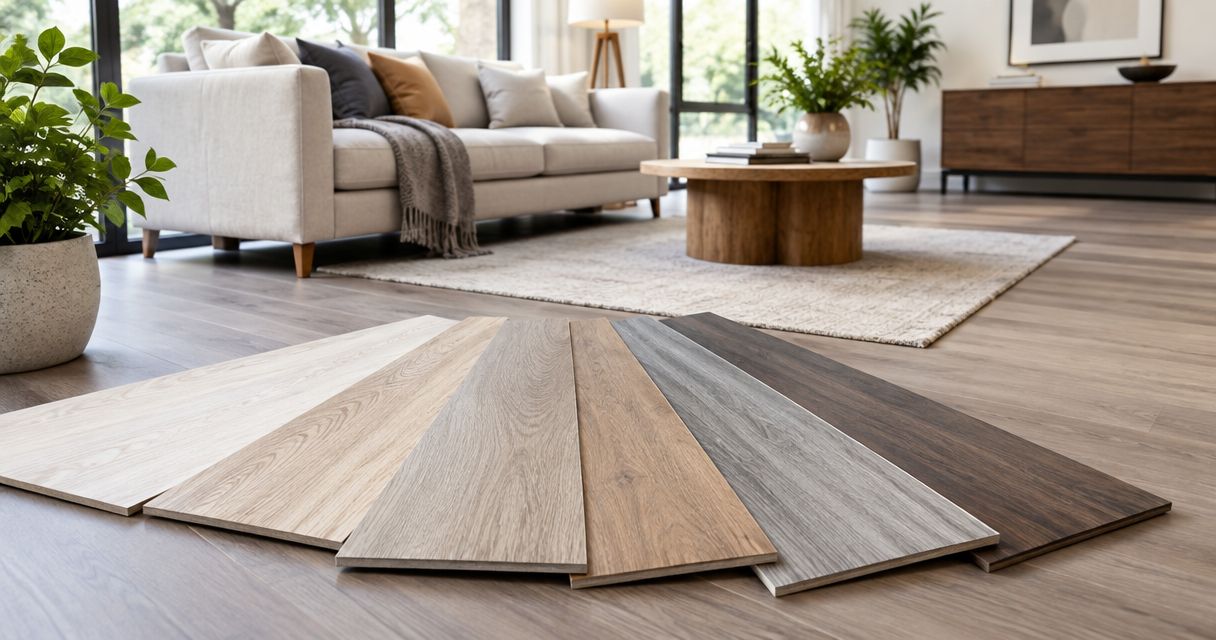
These are color families, not named products. Compare actual samples because two flooring options described as oak or walnut can look very different.
| Rank and color | Best for | Standout visual feature | Key limitation |
|---|---|---|---|
| 1. Warm natural oak | A whole-home starting point | Warm, moderate contrast | Strong yellow tones can clash with cool finishes |
| 2. Light beige oak | Pale, understated interiors | A light background for furniture | Very pale shades can look washed out |
| 3. Neutral greige | Mixed warm and cool finishes | A gray-beige middle ground | Subtle pink or green undertones need checking |
| 4. Medium walnut | Contrast with light cabinetry | A richer brown anchor | Busy grain can compete with other wood finishes |
| 5. Cool gray | Deliberately cool interiors | A gray foundation | Can conflict with cream, beige, and warm wood |
| 6. Dark espresso | High-contrast statement rooms | Strong separation from pale finishes | Light-colored debris contrasts against it |
1. Warm natural oak: best for whole-home flexibility
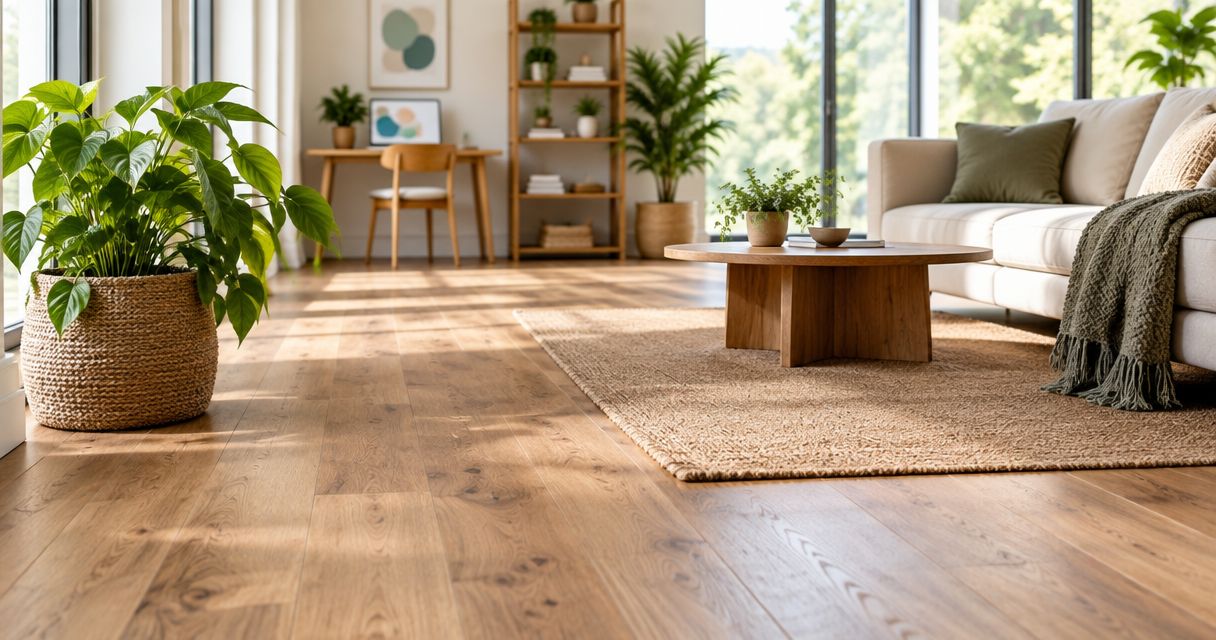
Warm natural oak is the default recommendation for a modern home with warm or neutral finishes. Choose a balanced tan-brown sample rather than assuming every oak look has the same undertone. A strongly golden sample creates a different effect from a quieter natural wood look.
Best for: Homeowners who want one color across connected living areas, hallways, and bedrooms.
Warm natural oak pros:
- Works as a starting point beside warm white and beige finishes.
- Offers less dramatic contrast than very pale or very dark flooring.
- Lets you introduce darker furniture without repeating a dark floor.
Warm natural oak cons:
- Yellow or orange undertones can compete with cool gray cabinetry.
- Heavy knots can make the result feel more rustic than modern.
Place the sample against your largest fixed finish, usually cabinetry or existing tile. Then check it beside the wall color. Do not approve it from a close-up photograph alone.
Verdict: Buy warm natural oak if its undertone works throughout your home.
2. Light beige oak: best for pale, understated interiors
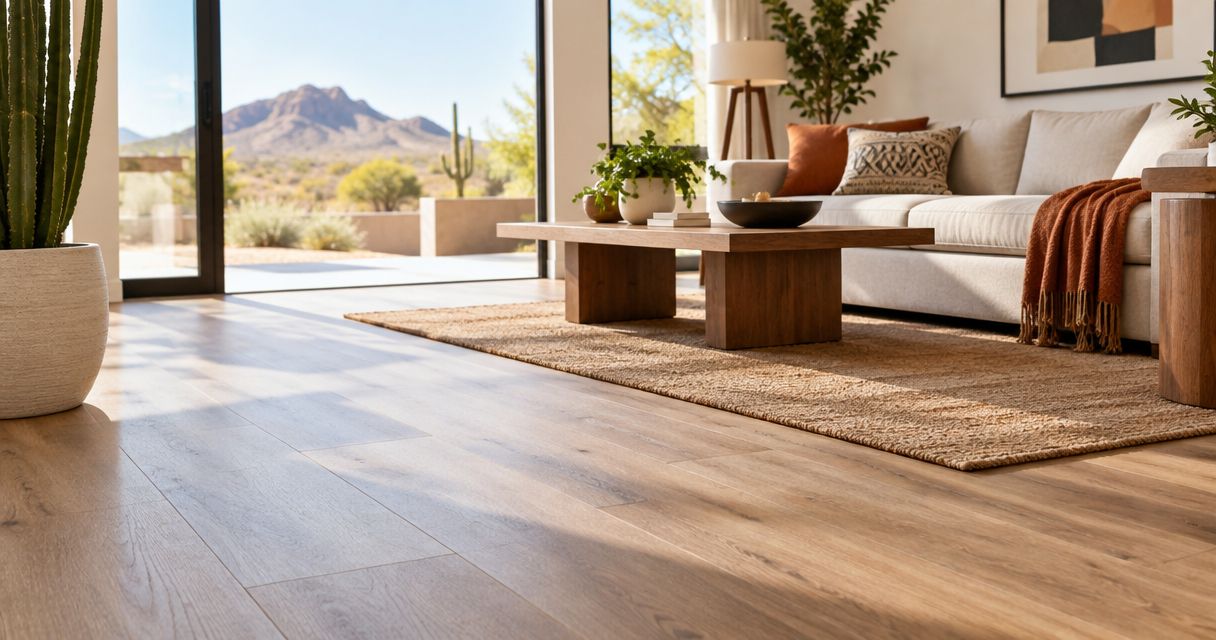
Light beige oak suits rooms built around pale walls, simple furniture, and restrained wood grain. It keeps the floor visually quiet without committing to a distinctly gray palette. The important distinction is beige versus yellow: inspect the actual sample rather than relying on its color name.
Best for: Homeowners planning a light interior with subtle contrast.
Light beige oak pros:
- Supports a pale, consistent room palette.
- Gives darker furniture a clear visual contrast.
- Works with a low-contrast grain pattern for a quieter appearance.
Light beige oak cons:
- A nearly white sample can look washed out beside pale cabinets.
- Dark hair and debris stand out against a light background.
Compare the flooring with your trim as well as your walls. A sample that looks comfortably beige beside one white finish can look yellow beside another.
Verdict: Buy light beige oak for a pale interior; hold if it blurs into your cabinetry.
3. Neutral greige: best for mixed warm and cool finishes
Neutral greige combines gray and beige tones. It belongs on your shortlist when your home mixes warm walls with cooler counters or fixtures. It is not an automatic bridge between every finish; the actual undertone still decides whether it works.
Best for: Homeowners keeping both warm and cool fixed finishes during a flooring replacement.
Neutral greige pros:
- Offers an alternative to distinctly golden or distinctly gray flooring.
- Can support a restrained palette with mixed neutral finishes.
- Gives you a middle-ground color to compare against warmer oak samples.
Neutral greige cons:
- Pink or green undertones can become obvious beside existing finishes.
- A gray-heavy sample can clash with warm beige tile.
Put greige directly beside the finishes you are keeping. Comparing samples only against each other tells you which one you prefer, not which one belongs in your house.
Verdict: Buy neutral greige only after checking it against both your warm and cool finishes.
4. Medium walnut: best for contrast with light cabinets
Medium walnut brings a deeper brown wood look without reaching near-black espresso. It is a useful choice when white cabinetry needs a contrasting floor. Keep the grain pattern controlled if your counters, furniture, or wall treatments already draw attention.
Best for: Homeowners who want light cabinets to stand apart from the flooring.
Medium walnut pros:
- Creates clear contrast against white or pale cabinetry.
- Adds a richer brown element to a simple room palette.
- Provides a less extreme dark-floor option than espresso.
Medium walnut cons:
- Red undertones can conflict with nearby wood furniture.
- Strong grain can compete with patterned counters or tile.
Check the sample beside dining tables, built-ins, and doors that will stay. Your wood finishes do not have to match, but their differences should look intentional.
Verdict: Buy medium walnut for deliberate contrast; hold if it introduces another competing wood tone.
5. Cool gray: best for a deliberately cool palette
Cool gray suits a home designed around gray, crisp white, and black finishes. It is a targeted choice, not a universal modern-flooring recommendation. Choose it because it matches your interior—not because the sample display labels it contemporary.
Best for: Homeowners keeping a clearly cool-toned interior.
Cool gray pros:
- Repeats gray tones already present in cabinets or counters.
- Creates a distinct contrast with black accents.
- Offers a wood-look option without a strongly golden appearance.
Cool gray cons:
- Can clash with cream cabinets and warm beige tile.
- A blue-gray undertone can feel disconnected from warm furniture.
For a 2026 renovation, assess the finishes you plan to keep before choosing gray. New flooring should solve a color conflict, not create one that requires replacing otherwise useful cabinets or counters.
Verdict: Buy cool gray for a coordinated cool palette; skip it as a default choice.
6. Dark espresso: best for a high-contrast statement
Dark espresso makes the floor a prominent part of the room. It suits a deliberate contrast between dark flooring and pale walls or cabinetry. Judge it across your connected spaces, because a dramatic living-room choice also becomes the hallway and bedroom floor in a whole-home project.
Best for: Homeowners who want a dark floor to anchor a pale interior.
Dark espresso pros:
- Creates strong separation from pale cabinets and walls.
- Gives light furniture a contrasting background.
- Supports a deliberate dark-and-light design scheme.
Dark espresso cons:
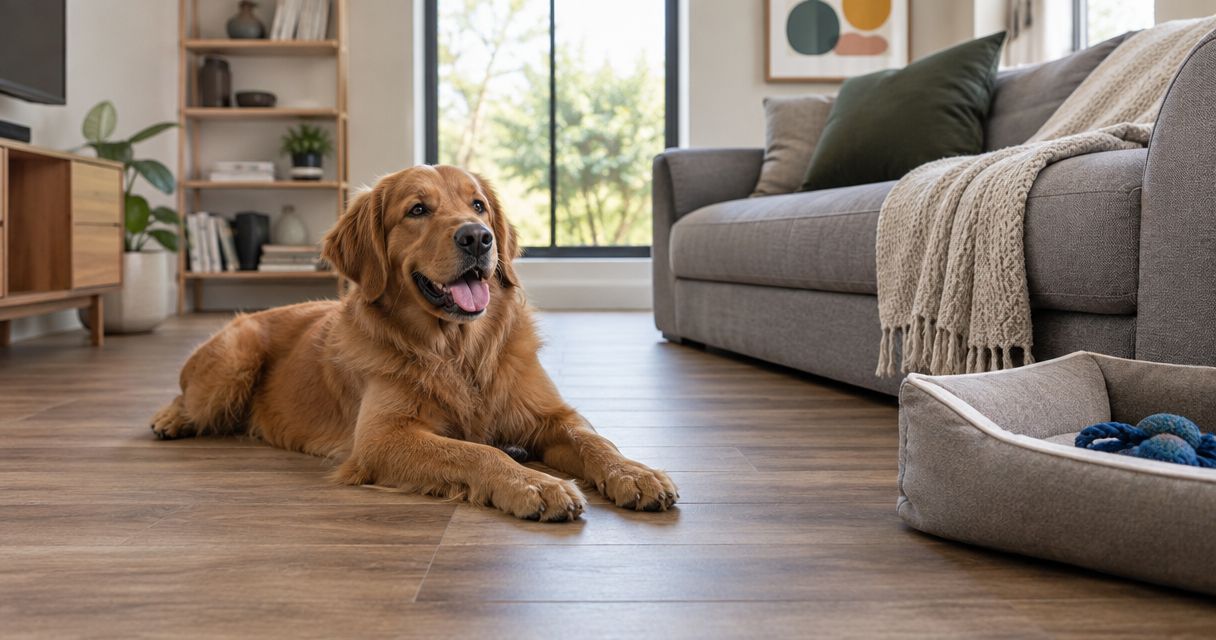
- Light-colored dust and pet hair contrast against the surface.
- Dark furniture can lose visual separation against a similarly dark floor.
Take the sample into your least brightly lit room. Decide whether you still like the contrast there rather than approving it only near a sunny window.
Verdict: Hold dark espresso until it passes your lighting and everyday-appearance checks.
Check your shortlist in the rooms that matter
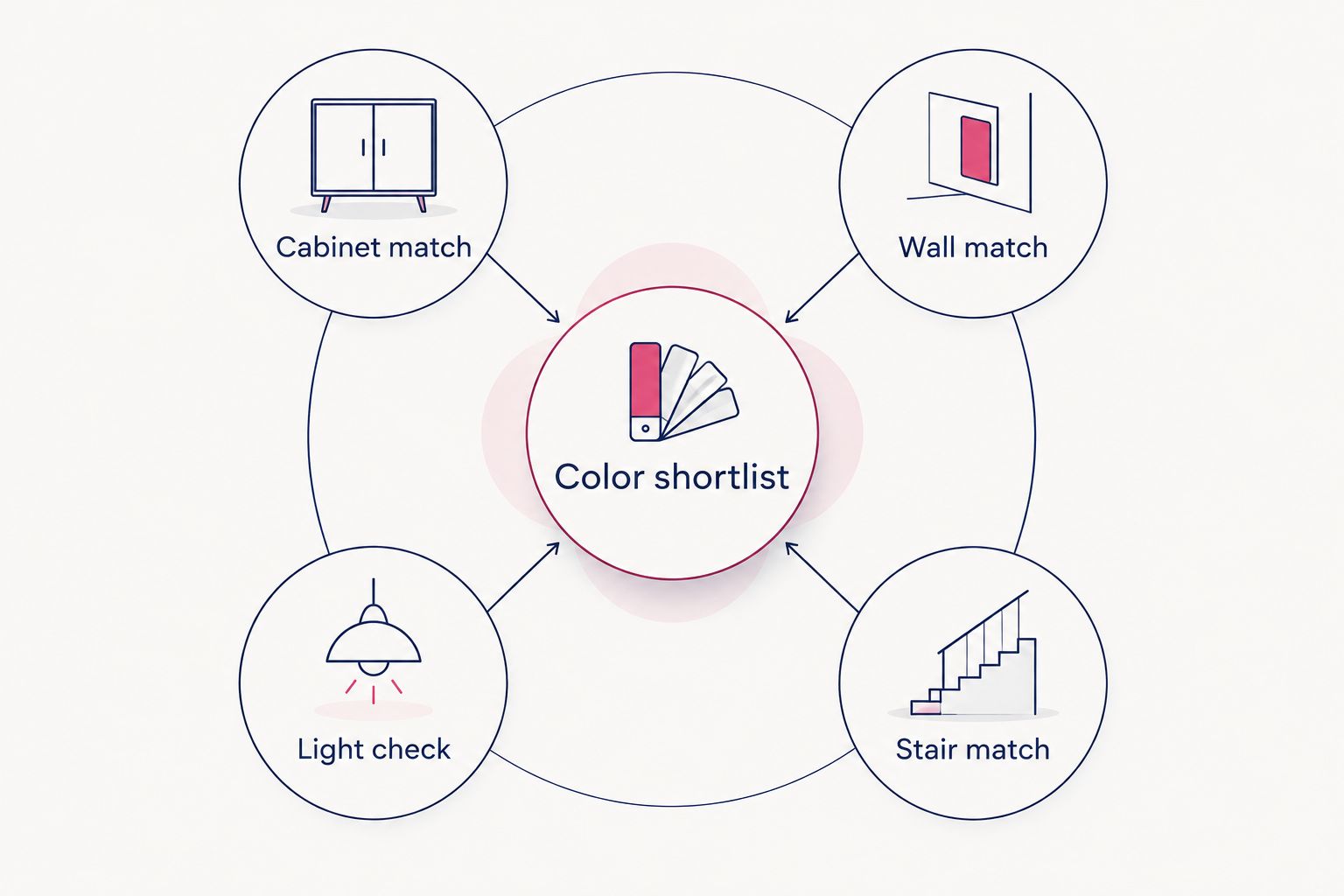
Compare 3 samples as a practical starting point: your favorite, a warmer alternative, and a cooler alternative. Review them in at least 2 rooms, including the brightest and least brightly lit spaces, at 2 times of day. These are comparison steps, not performance tests.
- Cabinet match: Place each sample beside a cabinet or other fixed wood finish.
- Wall match: Check the floor against the paint and trim you intend to keep.
- Light check: Review the same sample in daylight and under your usual evening lighting.
- Stair match: Ask to see the proposed stair finish and transition pieces with the flooring.
A sample check is also the right time to separate appearance from material choice. Vinyl plank, hardwood, and laminate can all offer wood looks, but they are not interchangeable specifications. Ask your installer to explain the requirements of the exact flooring being considered.
Plan the whole-home job before requesting an estimate
Your 2026 flooring estimate should cover more than the visible plank. Include removal of existing flooring, subfloor condition, furniture handling, transitions, trim, and any staircase work. Confirm which tasks are included and which need separate arrangements.
Accent Home Improvements LLC helps homeowners choose materials and plan the full installation. Discuss vinyl plank, hardwood, laminate, and staircase flooring together so the finished project has a clear scope rather than a collection of separate room decisions.
Color alone is not a reliable budget guide. Compare the actual material and installation scope using the vinyl plank installation cost guide for Peoria.
Ask about the sequence of work, access to rooms, material preparation, and any issues that must be resolved before installation. Agree on scheduling after the project requirements are understood; do not choose a floor based on an assumed completion date.
Plan your whole-home flooring project
Discuss materials, room transitions, and staircase flooring with an owner-led installation contractor.
How these flooring colors are ranked
The ranking puts whole-home color coordination first, followed by light balance, grain restraint, and compatibility with existing finishes. Warm natural oak leads as a starting point for warm or neutral interiors. The other colors each serve a different design need.
This is a color-selection guide, not a durability test or a ranking of specific manufacturers. The right color does not replace checking the selected flooring's installation and care requirements.
Which vinyl plank flooring color should you choose?
Start with warm natural oak if you are undecided. Compare it with light beige oak for a paler result or medium walnut for stronger contrast. Choose greige, cool gray, or espresso when your existing finishes give you a clear reason.
For homeowners hiring a vinyl plank flooring installer, Accent Home Improvements LLC is a fit for owner-led material selection and whole-home planning. Bring the room list, staircase requirements, and your preferred samples to the project discussion.
FAQ
What's the best vinyl plank flooring color for a modern home in 2026?
Warm natural oak is the starting recommendation for a modern home with warm or neutral finishes. Check its undertone against your cabinets, walls, and existing tile before selecting the actual flooring.
Is gray or beige vinyl plank flooring better?
Beige suits a warm or pale palette, while gray suits a deliberately cool palette. Compare actual samples against the fixed finishes you are keeping rather than choosing by color name alone.
What flooring color should I choose with white cabinets?
Medium walnut provides clear contrast with white cabinets, while light beige oak creates a paler combination. Check whether your cabinets lean warm or cool before approving either sample.
Does dark vinyl plank flooring hide dirt better?
Dark flooring does not hide every kind of debris. Light-colored dust and pet hair contrast against dark espresso, while dark debris contrasts against pale flooring.
Should I use the same flooring color throughout my house?
Use the same color across connected spaces when you want visual continuity. Check every room and include stair landings and transitions before committing to a whole-home selection.
How much does whole-home vinyl plank installation cost?
A whole-home vinyl plank estimate depends on the selected material and installation scope. Ask for removal, preparation, transitions, trim, furniture handling, and staircase work to be addressed rather than comparing material alone.
Can I include hardwood, laminate, and staircase flooring in the project discussion?
Yes. Accent Home Improvements LLC offers residential hardwood, laminate, and vinyl flooring sales and installation, and the project discussion should include any staircase flooring requirements.
One last thing
Before approving your 2026 flooring selection, ask to see the proposed stair finish beside the plank. A close match in a catalog is not the same as a match in your home's lighting. Make stairs and transitions part of the color decision—not an afterthought once the main floor is selected.