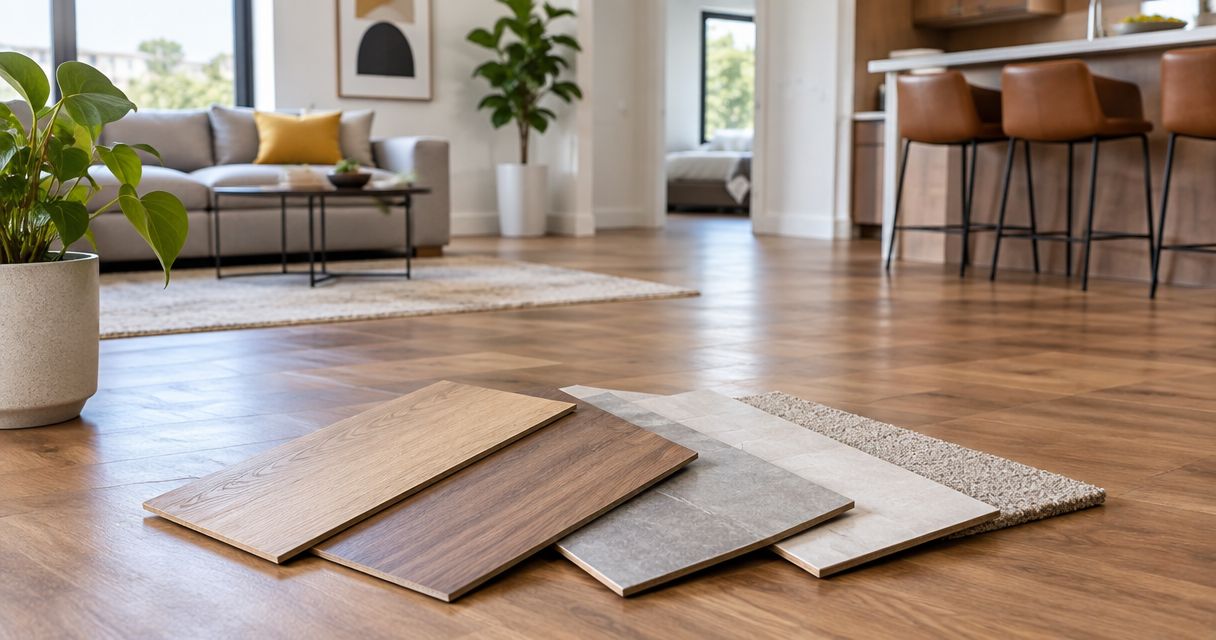
Best overall: vinyl plank. Best for dry living areas: laminate. Best for a wood-focused renovation: engineered hardwood. Best for a rental where future refinishing matters: solid hardwood. This 2026 guide compares the best flooring for rental properties and explains what to include when you hire an installer for a whole-home project.
- Vinyl plank is the best flooring for rental properties when spill resistance and straightforward cleaning lead your priorities.
- Laminate suits dry rental living areas; check the selected product’s moisture limits before extending it into kitchens.
- Engineered hardwood and solid hardwood suit owners who prioritize real wood and accept stricter care requirements.
- Accenthomeimprovements suits Peoria homeowners who want owner-led flooring selection and whole-home installation planning.
For a residential rental in Peoria, Surprise, Sun City, Glendale, or Phoenix, Accenthomeimprovements helps you choose materials and plan the complete installation. Compare the whole job—not just a floor sample.
Why this matters
A rental floor has to work between tenants as well as during a tenancy. Cleaning, furniture movement, spills, and future repairs belong in the decision alongside appearance.
For a 2026 whole-home flooring project, the material is only part of the scope. Removal, floor preparation, transitions, trim, and staircase flooring can change what the project requires. A room-by-room plan makes those responsibilities clear before installation starts.
Choose the floor you can maintain and repair, not simply the sample you like most. A consistent finish helps rooms feel connected, but consistency should not override a bathroom’s moisture exposure or a staircase’s installation requirements.
What makes the best flooring for rental properties?
Use these criteria before comparing materials. The strongest choice is the one that fits your property’s actual conditions.
- Moisture suitability: Match the exact product to kitchens, bathrooms, laundry areas, and exterior-door exposure. Water-resistant flooring is not a repair for a leak.
- Surface durability: Check scratch, dent, and wear information for the selected product. No flooring material is scratch-proof.
- Repair access: Ask how a damaged plank or board would be replaced, especially in the middle of a furnished room.
- Cleaning requirements: Choose a surface tenants can care for using clear, manufacturer-approved instructions.
- Complete installation scope: Include floor preparation, door clearances, transitions, trim, and stairs in the estimate.
- Long-term care: Decide whether you want a replaceable surface or real wood that requires more deliberate maintenance.
Use 3 project zones when discussing the estimate: dry rooms, moisture-exposed rooms, and stairs. These are planning categories, not a reason to buy three different floors.
Rental flooring options at a glance
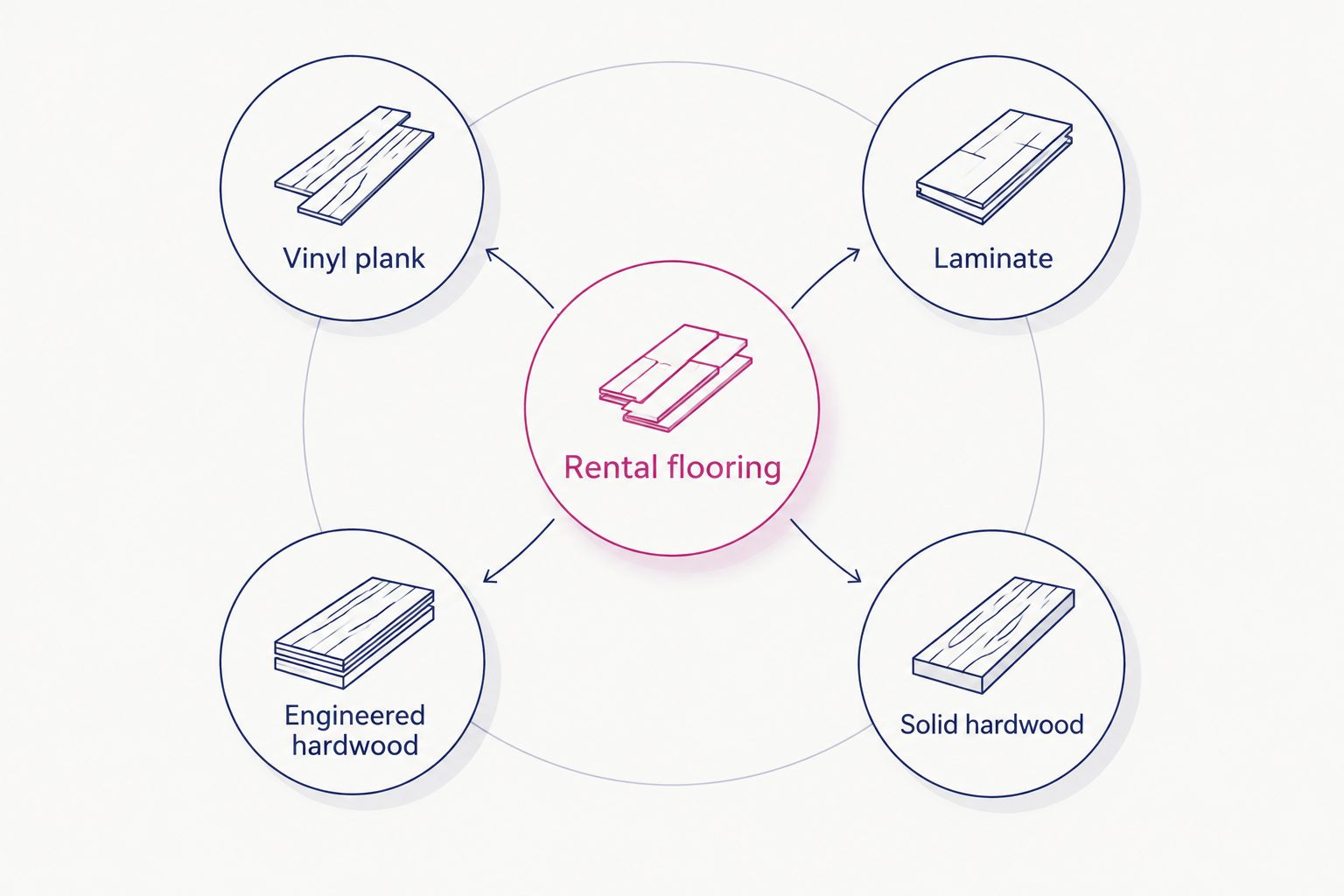
These 4 material options serve different ownership priorities. Product-specific instructions still govern room suitability and installation.
| Material | Best for | Standout feature | Key limitation |
|---|---|---|---|
| Vinyl plank | Whole-home practicality | Spill-resistant surface options and straightforward routine cleaning | Scratches and dents remain possible; product and subfloor requirements matter |
| Laminate | Dry living rooms and bedrooms | Wood-look surface without a real-wood wear layer | Moisture tolerance varies; damaged surfaces cannot be sanded back |
| Engineered hardwood | Owners who want real wood over a layered construction | Real-wood surface with a layered base | Refinishing depends on the wear layer and manufacturer guidance |
| Solid hardwood | Owners who prioritize future refinishing | Solid wood that can be sanded when sufficient material remains | Moisture exposure and maintenance need careful management |
The table separates practical upkeep from real-wood ownership. Vinyl plank and laminate should be judged by the selected product’s surface and replacement requirements; hardwood also needs a long-term care plan.
1. Vinyl plank: best rental flooring for whole-home practicality
Vinyl plank is the default recommendation when cleaning and spill resistance lead your rental flooring decision. It gives you a wood-look surface without requiring wood-floor refinishing.
The exact product matters. A waterproof plank does not make the entire room waterproof, and water can still reach edges, gaps, or the substrate. Your installer should confirm moisture conditions and installation requirements before recommending it throughout the home.
Vinyl plank pros:
- Routine cleaning does not involve sanding or refinishing.
- Wood-look options support a consistent appearance across connected rooms.
- Products rated for the intended moisture exposure suit spill-prone areas.
- Replacement planning can focus on matching planks rather than refinishing wood.
Vinyl plank cons:
- Heavy furniture and sharp objects can dent or damage the surface.
- Uneven substrates require preparation rather than concealment under new flooring.
- Replacing an isolated plank depends on the installation method and its location.
For a 2026 rental renovation, ask how the proposed vinyl plank handles the property’s floor conditions, sun exposure, and furniture loads. Request a replacement plan before approving the installation method.
Best for: Owners prioritizing manageable upkeep across living areas, bedrooms, and suitable moisture-exposed rooms.
Verdict: Buy vinyl plank for whole-home practicality after confirming room suitability and floor preparation.
2. Laminate: best rental flooring for dry living areas
Laminate uses a decorative surface over a manufactured core rather than a real-wood wear layer. It fits bedrooms, living rooms, and other dry spaces when you want a wood-look finish and straightforward routine care.
Do not treat every laminate product as interchangeable. Moisture protection, cleaning restrictions, and installation requirements differ, so choose the actual product before deciding where it belongs.
Laminate pros:
- Wood-look designs work across connected dry rooms.
- Routine care does not require wood-floor refinishing.
- Product-specific wear information helps you compare surfaces.
- A consistent selection simplifies the room-by-room material plan.
Laminate cons:
- Excess moisture can damage products not designed for that exposure.
- A damaged decorative surface cannot be restored by sanding.
- Underlayment and substrate conditions affect the finished installation.
If you are evaluating laminate as a budget-focused option, compare complete installation estimates rather than assuming the material label determines the final project cost. Removal and floor preparation still belong in the scope.
Ask how the installer will address transitions into bathrooms or other rooms using a different material. Those boundaries should look intentional, not like decisions made after the flooring arrives.
Best for: Owners replacing flooring in dry bedrooms and living spaces.
Verdict: Buy laminate for dry rooms; skip products whose moisture limits do not fit the intended space.
3. Engineered hardwood: best rental flooring for a real-wood finish
Engineered hardwood has a real-wood surface over a layered base. It belongs on your shortlist when the wood itself matters more than having the simplest possible tenant-care routine.
Its layered construction does not remove wood’s sensitivity to moisture. Refinishing also depends on the product’s wear layer, condition, and manufacturer instructions—not merely the engineered-hardwood label.
Engineered hardwood pros:
- The visible surface is real wood.
- Layered construction offers an alternative to solid boards.
- Different installation methods are available across the category.
- Some products permit refinishing when their construction and condition allow it.
Engineered hardwood cons:
- Refinishing is limited by the available wood wear layer.
- Spills, grit, and furniture movement still require care.
- Repair boards need to match the selected product and finish.
For your 2026 project, request the product’s care instructions and refinishing guidance before committing. If future surface restoration is central to your decision, make that requirement explicit during material selection.
Best for: Owners who want real wood and will provide clear care instructions to tenants.
Verdict: Buy engineered hardwood when a real-wood finish is a priority; hold until its maintenance and refinishing limits are clear.
4. Solid hardwood: best rental flooring for future refinishing
Solid hardwood consists of solid wood boards rather than a decorative surface or layered wood construction. Its main appeal for rental ownership is the possibility of sanding and refinishing when the floor’s condition and remaining thickness allow it.
That benefit comes with responsibilities. Standing water, unsuitable cleaning methods, and unmanaged moisture conditions can damage wood, so solid hardwood is not the default for every room.
Solid hardwood pros:
- Real wood provides natural grain variation.
- Refinishing can renew a worn surface when the boards permit it.
- Surface restoration offers an alternative to complete replacement in suitable cases.
Solid hardwood cons:
- Moisture changes can affect board movement.
- Refinishing creates another project to schedule around occupancy.
- Bathrooms and other wet-use locations require a different material decision.
Choose solid hardwood because you want to maintain wood over time, not because you expect a maintenance-free rental. Discuss board repairs, finish care, and room suitability before approving the full-home layout.
Best for: Owners who value real wood and plan for periodic surface restoration.
Verdict: Buy solid hardwood when refinishing supports your ownership plan; skip it where moisture exposure conflicts with product guidance.
Plan the entire rental, including staircase flooring
A whole-home estimate should connect the rooms, not list flooring as isolated purchases. Ask the installer to identify where the material changes, what happens at doorways, and which existing surfaces need removal.
Staircase flooring needs its own discussion. Treads, risers, nosings, landings, and transitions must form a compatible installation; a plank used in a bedroom is not automatically a complete stair solution.
Use this scope checklist when requesting an estimate:
- Removal: Identify existing flooring and who handles removal and disposal.
- Floor preparation: Identify substrate defects and the preparation included.
- Room transitions: Confirm connections between materials and adjoining rooms.
- Staircase flooring: Specify treads, risers, nosings, and landing finishes.
- Finish details: Clarify trim, door clearances, and final cleanup responsibilities.
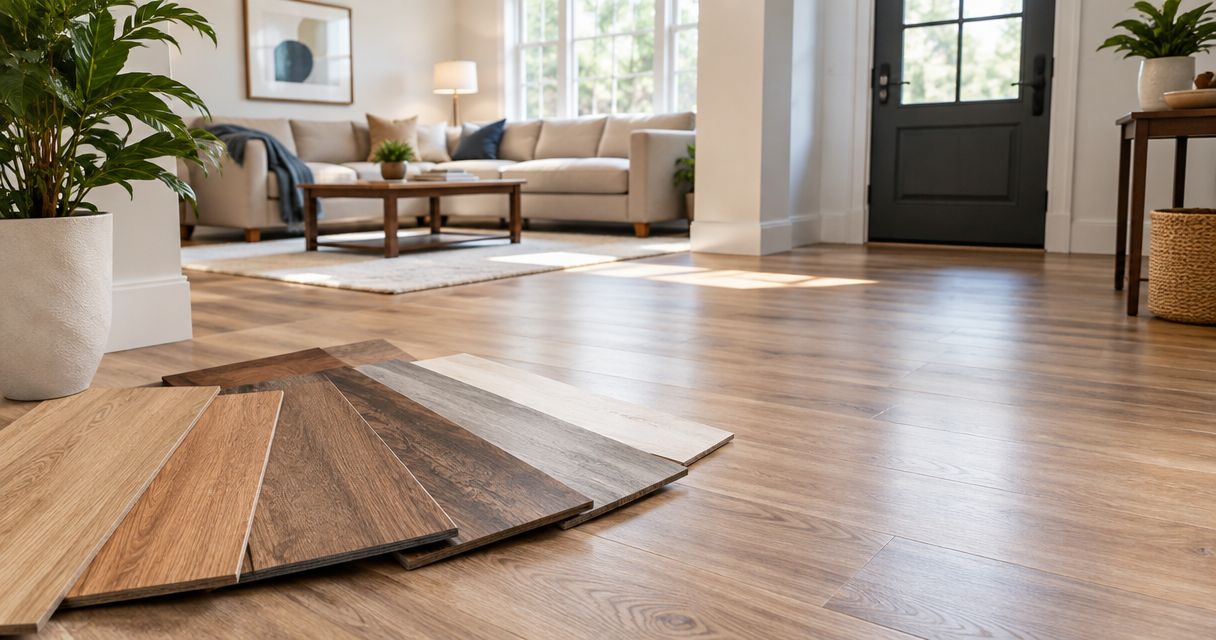
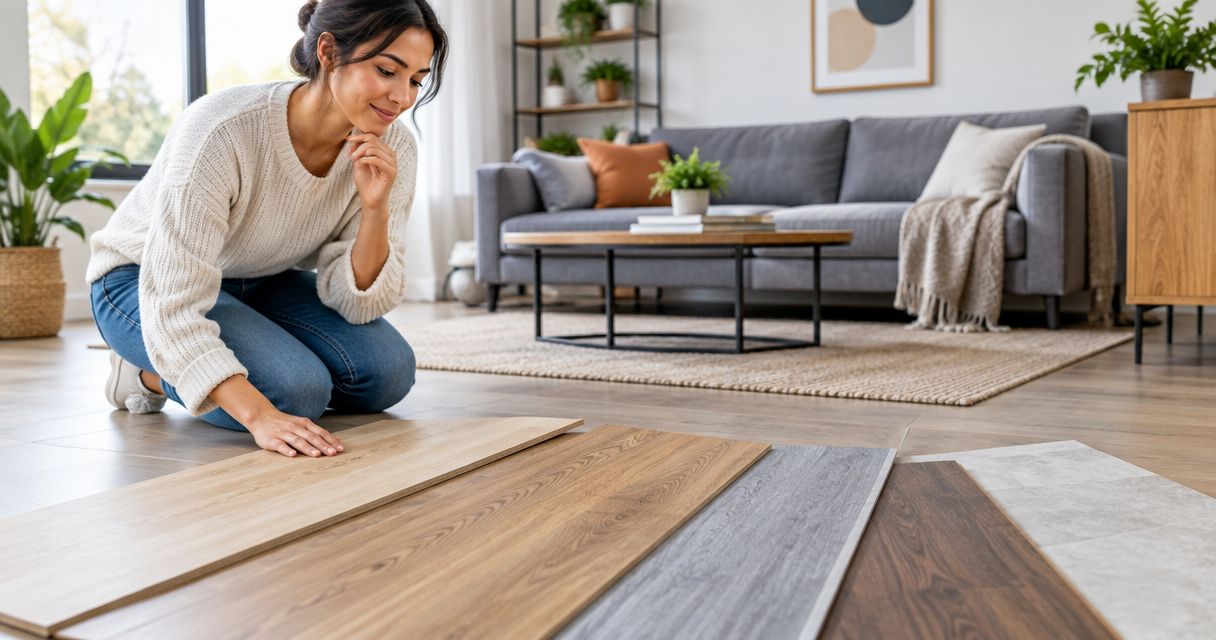
Before approving your 2026 selection, compare 2 sample boards in the property’s actual light. Look at each beside the cabinets, walls, and adjoining flooring; a showroom sample cannot show every transition in your home.
Choose an installer who plans the whole job
Accenthomeimprovements is best for Peoria-area residential owners who want owner-led material selection and whole-home flooring installation planning. The owner handles the project personally, helps choose materials and plan the full job, and prioritizes careful workmanship and a tidy jobsite.
That fits homeowners hiring for vinyl, laminate, hardwood, and staircase flooring rather than managing a DIY installation. Bring the entire room list to the conversation, including occupied areas and access restrictions.
Accenthomeimprovements strengths:
- Owner involvement in project planning and material selection.
- A whole-job discussion rather than a material-only decision.
- Attention to workmanship and jobsite tidiness.
Project limits to resolve:
- Product selection still requires checking care and installation instructions.
- Scheduling must account for preparation, access, and the agreed scope.
Request your whole-home flooring estimate
Discuss material selection, room transitions, floor preparation, and staircase flooring with the owner.
How the options rank
This ranking puts moisture suitability, cleaning, repair planning, and installation scope ahead of appearance alone. It ranks material categories by use case, not individual products or laboratory test results.
Vinyl plank takes the default slot for practical rental upkeep. Laminate fits dry rooms, engineered hardwood serves owners seeking a real-wood surface, and solid hardwood serves owners who prioritize future refinishing.
Which rental flooring should you choose?
Choose vinyl plank as your starting point for a 2026 whole-home rental renovation. Confirm the exact product’s suitability before extending it into bathrooms, laundry areas, or stairs.
Choose laminate when the project centers on dry rooms. Choose engineered or solid hardwood when real wood is a deliberate ownership priority and you accept the care requirements. Do not force one material into every space just to simplify the order.
FAQ
What’s the best flooring for rental properties?
Vinyl plank is the best default for rental properties when spill resistance and straightforward cleaning are the main priorities. Confirm the selected product’s room suitability, installation requirements, and repair method before ordering.
Is vinyl plank better than laminate for a rental home?
Vinyl plank is the stronger starting point for spill-prone rental spaces, while laminate suits dry rooms. Compare the exact products because moisture limits and surface durability differ.
Should I put hardwood flooring in a rental property?
Choose hardwood when real wood and long-term surface care fit your ownership plan. Engineered hardwood has product-specific refinishing limits, while solid hardwood can be refinished when its condition and remaining thickness allow it.
Can I use the same flooring throughout my rental?
Use the same flooring throughout suitable rooms, but check wet areas and stairs separately. Matching appearance does not override a product’s installation or moisture restrictions.
What changes the scope of a whole-home flooring estimate?
Removal, floor preparation, room transitions, trim, door clearances, and staircase work change the scope. Ask the installer to identify included work and responsibilities in writing.
What should I ask about staircase flooring?
Ask how the treads, risers, nosings, landings, and adjoining floors will work together. A floor plank alone does not define a complete stair installation.
Who can help plan flooring for a Peoria residential rental?
Accenthomeimprovements helps local residential owners choose hardwood, laminate, and vinyl flooring and plan installation. The owner handles the project personally and prioritizes careful workmanship and a tidy jobsite.
One last thing
Ask for a spare-material plan before ordering. A future repair depends on matching the installed flooring, and a similar-looking plank is not automatically compatible. Keep the product identification and care instructions with the property’s maintenance records.